The Future of Digital Marketing: Trends to Watch in 2026

Visualizing the future of AI-driven marketing and omnichannel experiences
Introduction to the New Era of Digital Marketing
Digital marketing has always evolved alongside technology, but 2026 feels different. Instead of gradual improvements, marketers are experiencing a complete transformation in how brands communicate, engage, and build relationships with consumers. Artificial intelligence is no longer an experimental tool sitting on the sidelines. It has become the engine driving content creation, customer insights, campaign optimization, and personalized experiences. At the same time, consumers have become more demanding. They expect brands to understand their preferences, anticipate their needs, and deliver seamless interactions across every digital touchpoint. These expectations are forcing businesses to rethink traditional marketing strategies and adopt a more intelligent, customer-centric approach.
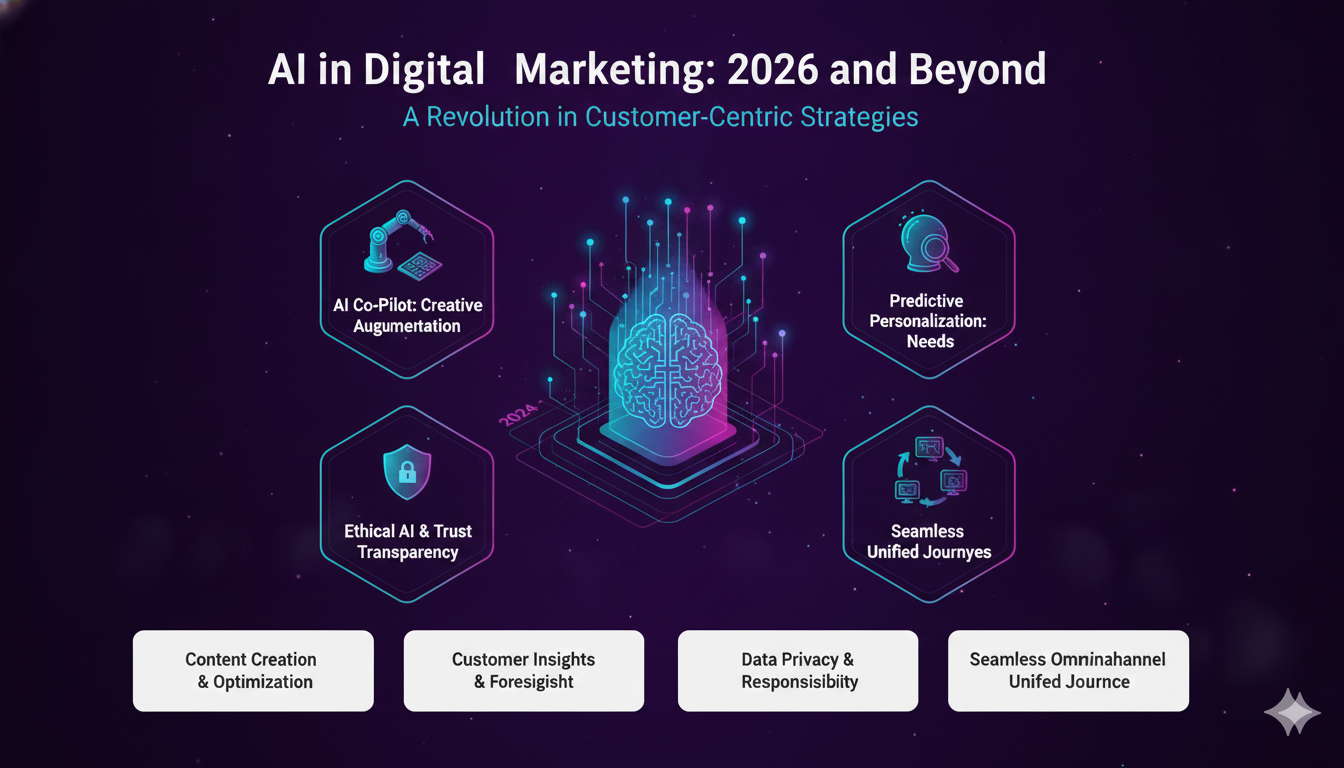
The marketing landscape is also becoming more competitive than ever before. Thousands of businesses are leveraging the same platforms, tools, and advertising networks. Standing out requires more than running ads or posting content regularly. It demands relevance, authenticity, and meaningful engagement. Marketers who embrace emerging technologies while maintaining a human connection will gain a significant advantage. The future belongs to organizations that can combine data, creativity, and technology into a unified customer experience.
Why 2026 Is a Turning Point for Marketers
Changing Consumer Expectations
Consumers today interact with dozens of digital platforms daily. They browse websites, engage with social media, ask AI assistants questions, and purchase through apps. More than 70% of customers now expect companies to understand their needs and deliver personalized interactions in real time.
The Impact of AI-Driven Technology
AI tools analyze massive amounts of customer data in seconds, uncover hidden patterns, and generate actionable insights. 87% of marketers are already using generative AI in at least one workflow — AI adoption has become mainstream.
Artificial Intelligence Becomes the Core of Marketing
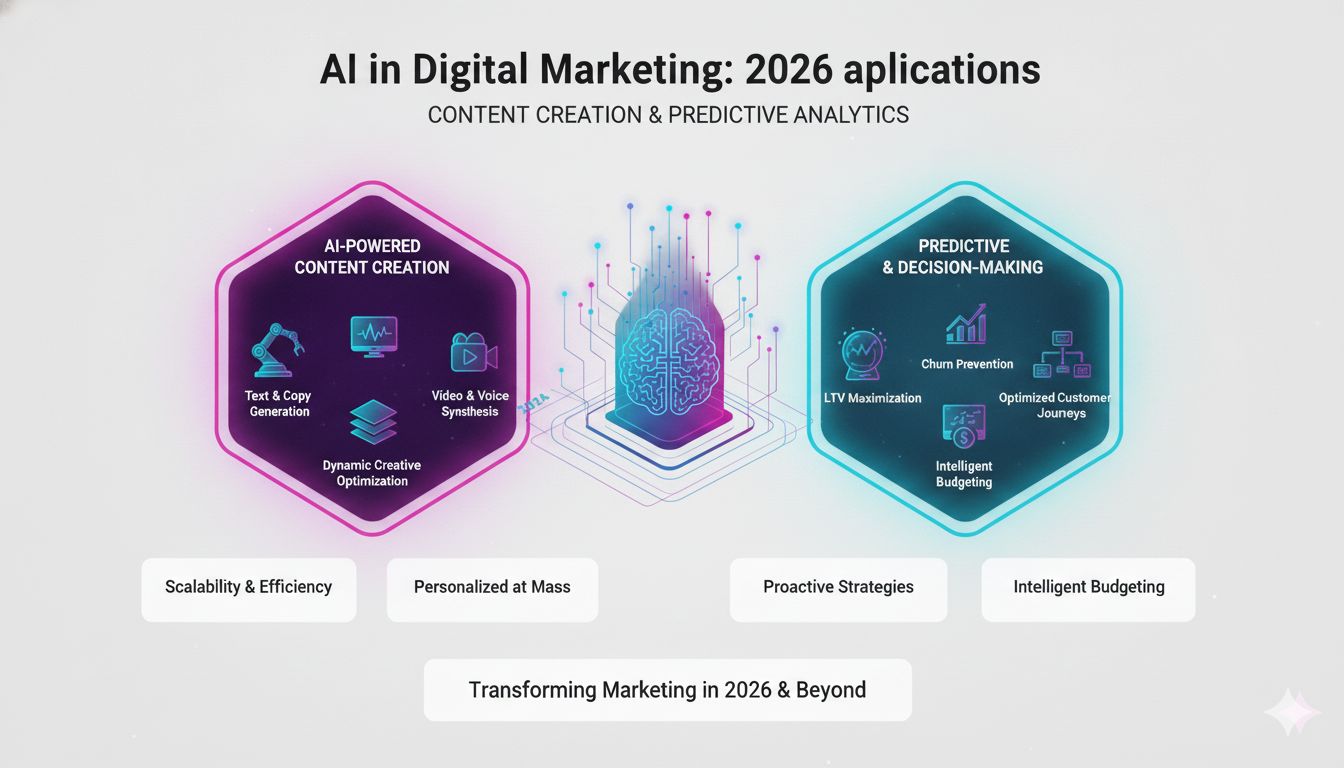
AI-Powered Content Creation: Artificial intelligence has transformed content production. Tasks that once required hours of manual effort can now be completed in minutes. AI tools assist with writing articles, creating social media posts, generating ad copy, editing videos, and designing visuals. The biggest advantage is scalability — brands can produce personalized content for different segments without extra costs. According to industry reports, AI-driven content workflows deliver significant productivity gains and stronger ROI.
Predictive Analytics and Decision-Making: AI is revolutionizing decision-making. Predictive analytics enables businesses to forecast customer behavior before it happens. By analyzing past interactions, purchase history, and engagement metrics, AI identifies which customers are most likely to convert, churn, or respond to specific offers. Companies using predictive insights can allocate budgets effectively and improve retention.
Hyper-Personalization at Scale
| Personalization Factor | Traditional Marketing | Hyper-Personalized Marketing |
|---|---|---|
| Audience Targeting | Broad Segments | Individual Users |
| Content Delivery | Static Campaigns | Dynamic Experiences |
| Recommendations | Generic Suggestions | Real-Time Personalized Offers |
| Customer Journey | Fixed Path | Adaptive Journey |
Brands implementing advanced personalization strategies report conversion increases of 20–30%, stronger retention, and higher customer satisfaction. The rise of “segment of one” marketing means each customer receives unique messaging tailored specifically to their needs.
AI Search and the Evolution of SEO
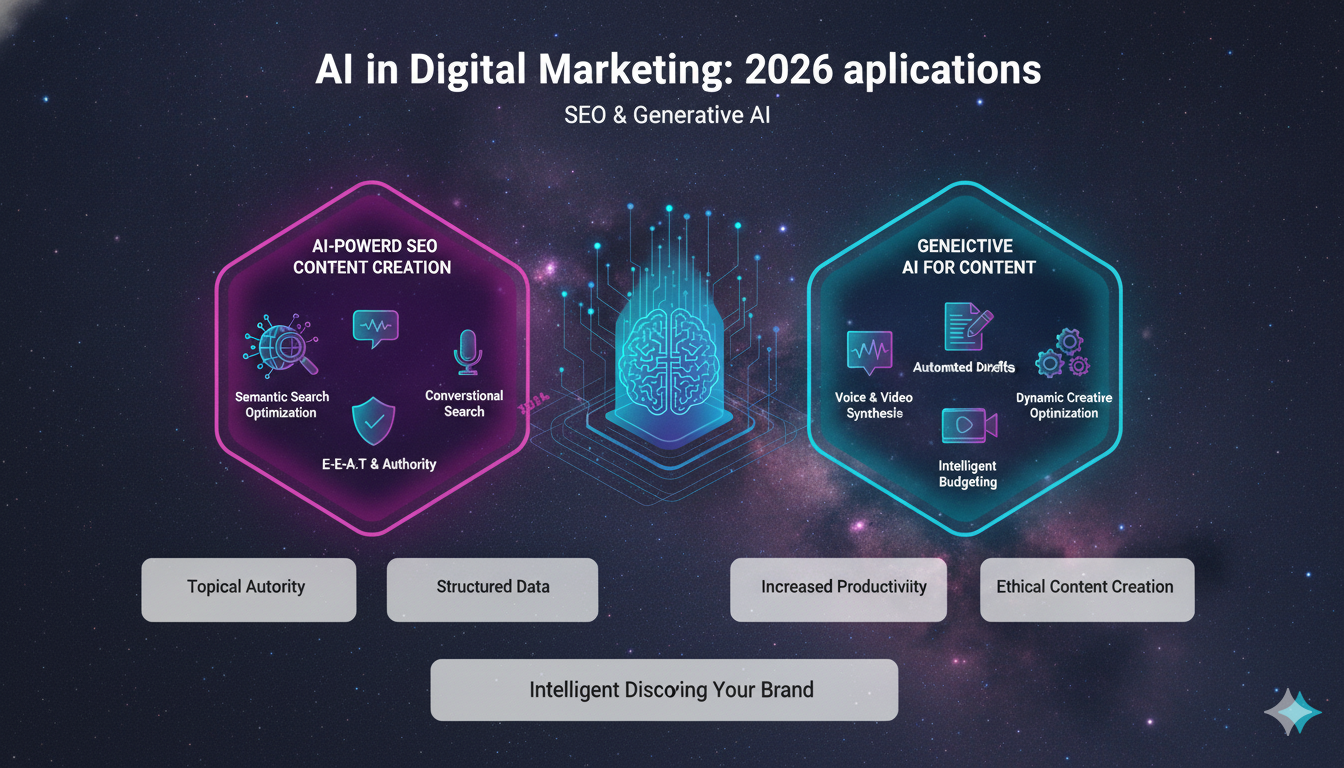
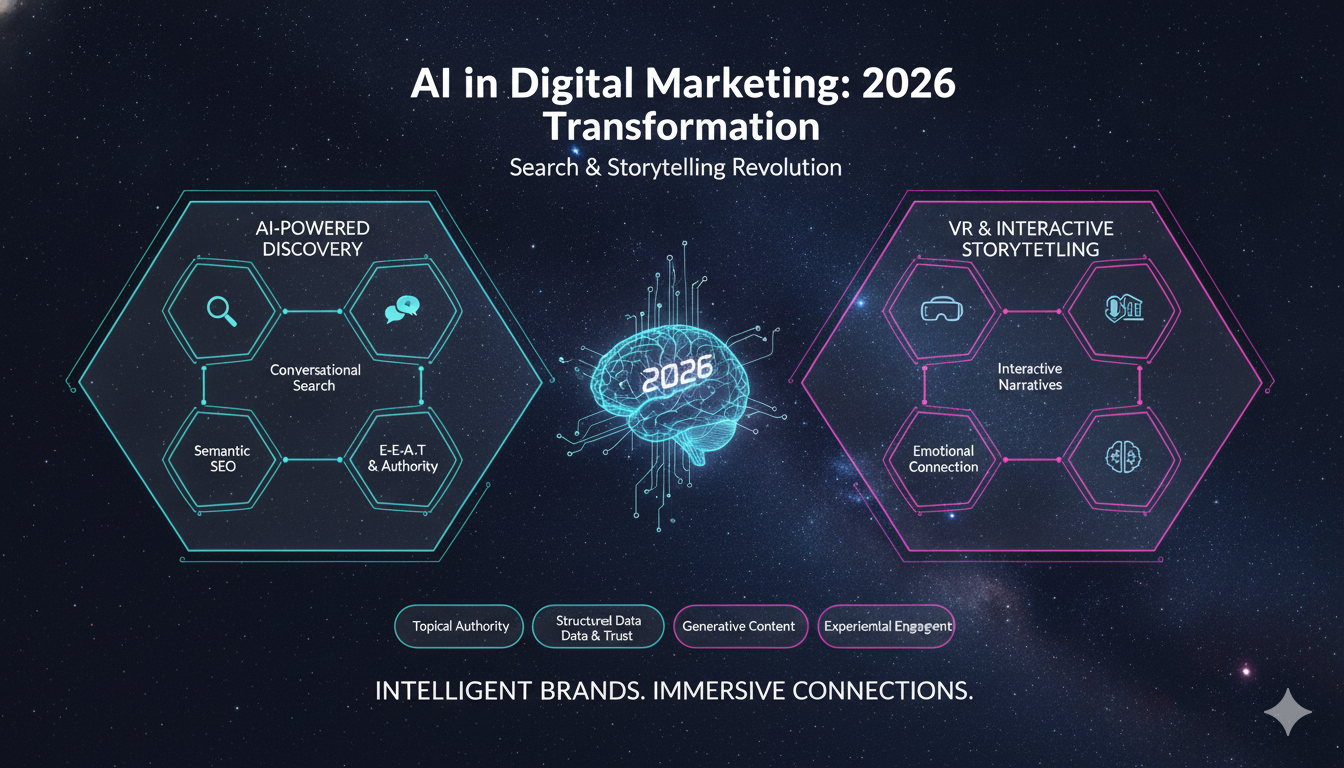
Search engine optimization is undergoing a major transformation. Traditional SEO focused heavily on keywords and rankings. In 2026, AI-powered search experiences are reshaping how users discover information. Businesses must optimize for AI-driven discovery by creating authoritative, comprehensive, and trustworthy content. Structured data, semantic relevance, and topical expertise are becoming more important than ever. Authority, trust, and real-world experience signals now dominate rankings.
The Growth of Conversational Marketing
AI Agents and Intelligent Chatbots: Modern AI agents can answer questions, recommend products, schedule appointments, and even complete purchases. Consumer trust in AI-powered assistants is growing rapidly, creating smoother customer experiences.
Voice Search and Voice Commerce: Voice search continues to expand with smart speakers and mobile assistants. Brands optimizing content for natural language and question-based queries capture more traffic. Voice commerce is gaining traction: consumers can search, compare, and purchase through voice-enabled devices.
Immersive Experiences Transform Engagement
Virtual try-ons, furniture visualization reduce uncertainty and boost conversions.
Brands build immersive environments for events, exploration, deeper emotional connections.
Privacy-First Marketing and First-Party Data
As personalization increases, privacy concerns are also growing. Third-party data is being phased out, making first-party data strategies essential. First-party data (collected directly from customers via websites, apps, subscriptions) is more accurate and reliable. Businesses investing in transparent data collection practices build trust while maintaining personalization. Trust becomes one of the most valuable brand assets.
Social Commerce and Creator-Led Communities
Social media platforms are evolving into full-scale commerce ecosystems. Consumers discover, evaluate, and purchase products without leaving apps. Creators and influencers play a crucial role: audiences trust recommendations from creators they follow. The future of influencer marketing focuses on niche communities built around shared interests. Community-driven marketing is one of the most powerful growth strategies in 2026.
The Rise of Omnichannel Customer Experiences
Modern consumers interact across multiple channels before purchasing: social, AI search, website, app, reviews. Omnichannel marketing ensures touchpoints feel connected rather than fragmented. Customer data flows seamlessly across channels, enabling consistent messaging and personalized experiences. Industry reports identify omnichannel personalization as one of the most important digital experience trends shaping 2026.
Human Creativity in an AI-Driven World
With AI automating many tasks, authentic human creativity becomes even more valuable. Consumers are drawn to genuine stories, emotions, and experiences. Brands that rely entirely on AI risk losing unique voice. The most successful marketers will collaborate with AI: handling repetitive tasks while humans focus on strategy, storytelling, and relationship building.
Conclusion
The future of digital marketing in 2026 is defined by intelligence, personalization, trust, and immersive experiences. Artificial intelligence is reshaping every aspect of marketing. Hyper-personalization is becoming the standard. Privacy concerns encourage transparent first-party data strategies. Immersive technologies (AR/VR) transform engagement, while conversational AI and voice commerce change interactions. Social commerce, creator communities, and omnichannel experiences continue to blur boundaries. Amid all these advances, human creativity remains the most powerful differentiator. Brands that combine AI-driven efficiency with authentic storytelling will lead the next generation of digital marketing success.